
May 16, 2026 · News
Best Magnesium for Sleep in 2026: A Buyer's Guide
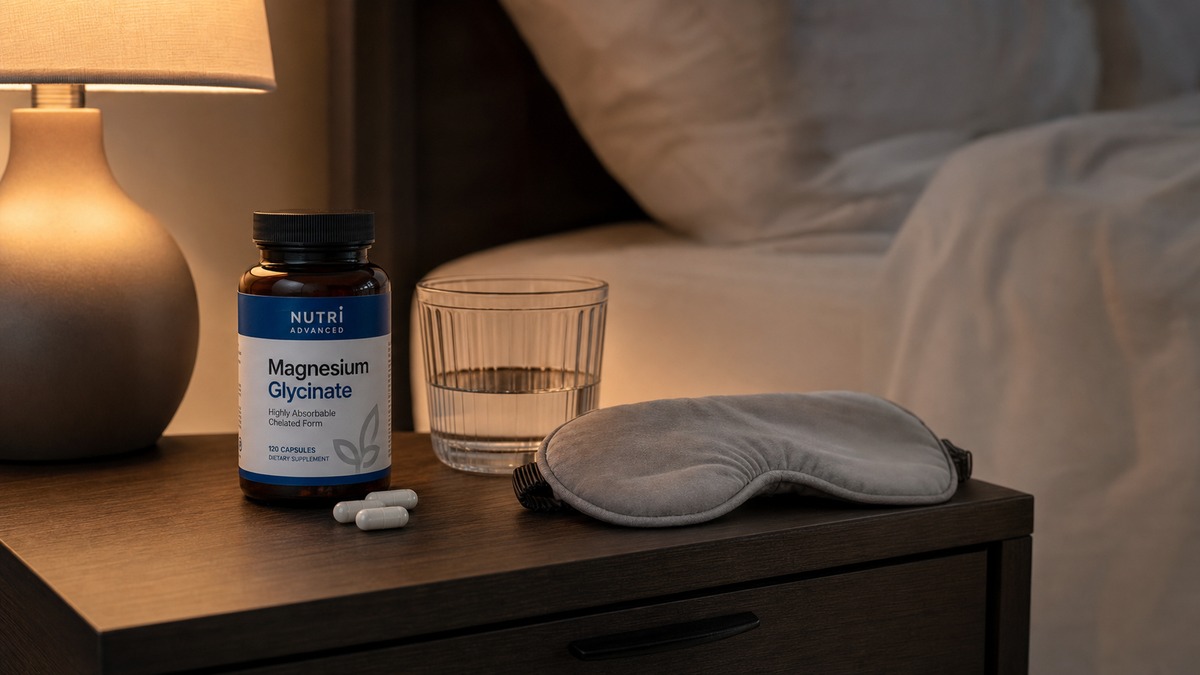

Why Magnesium Is One of the Best Sleep Supplements You Can Take
If you've been lying awake at night counting ceiling tiles, you might already be searching for the best magnesium for sleep — and with good reason. Magnesium is involved in over 300 enzymatic reactions in the body, and research from the NIH confirms it plays a direct role in regulating the nervous system and supporting healthy sleep architecture. The challenge is that not all forms of magnesium work the same way, and choosing the wrong one can leave you with nothing but an upset stomach and a lighter wallet.
This guide breaks down the most studied forms of magnesium for sleep, explains the science behind how they work, covers dosage and timing, and helps you figure out which form — or combination of forms — is right for you.
How Magnesium Helps You Sleep
Magnesium supports sleep through two primary mechanisms. First, it activates GABA (gamma-aminobutyric acid) receptors in the brain. GABA is your body's main inhibitory neurotransmitter — the chemical signal that tells your nervous system to calm down and prepare for rest. Low magnesium levels are associated with a less active GABA system, which can translate to racing thoughts and difficulty falling asleep.
Second, magnesium helps regulate melatonin production and lowers cortisol, the stress hormone that keeps you alert. According to the Sleep Foundation, magnesium deficiency is associated with poor sleep quality and increased instances of nighttime waking. Because roughly 50% of Americans don't meet the NIH's Recommended Dietary Allowance (RDA) of 310–420mg per day, many people are unknowingly running on low magnesium stores that undermine their sleep night after night.
Best Magnesium Forms for Sleep in 2026
The form of magnesium matters enormously. Here's a practical breakdown of the four forms most relevant to sleep:
Magnesium Glycinate
Widely considered the gold standard for sleep and anxiety, magnesium glycinate is chelated to the amino acid glycine. Glycine itself has been studied as a calming agent — a 2012 study published in Neuropsychopharmacology found that glycine ingestion before bed improved subjective sleep quality and reduced daytime sleepiness. Magnesium glycinate is also one of the gentlest forms on the digestive system, making it ideal for daily use. The Cleveland Clinic lists it as a top recommendation for people dealing with sleep issues or anxiety.
Magnesium Threonate (L-Threonate)
This form was developed specifically for brain bioavailability. Research from MIT suggests that magnesium threonate can cross the blood-brain barrier more effectively than other forms, making it a strong candidate for sleep quality and cognitive support. It tends to come at a higher price point, but for people whose sleep disruption is tied to racing minds or cognitive overactivation, it's worth considering.
Magnesium Citrate
Magnesium citrate is highly bioavailable and affordable, making it one of the most popular forms on the market. It's a solid all-around option, though it has a mild laxative effect at higher doses — something to factor in when choosing your dose. For sleep, it works, but glycinate is generally preferred if gastrointestinal sensitivity is a concern.
Magnesium Oxide
Magnesium oxide is common and cheap, but it has the lowest bioavailability of any major form — somewhere around 4%, according to research cited by Harvard Health. While it's useful for addressing acute constipation, it's not an ideal choice if your primary goal is improving sleep quality. You're essentially getting very little absorbed magnesium for your money.
Magnesium and Sleep: What the Research Actually Shows
A 2012 randomized, double-blind placebo-controlled trial published in the Journal of Research in Medical Sciences found that older adults who supplemented with 500mg of magnesium daily for eight weeks experienced significant improvements in sleep time, sleep efficiency, and early morning awakening compared to the placebo group. Serum melatonin and renin levels also increased, while cortisol — the stress hormone — decreased. This is consistent with the mechanism: magnesium quiets the nervous system, which allows melatonin to do its job.
A broader review of the evidence suggests that the people most likely to benefit from magnesium supplementation for sleep are those who are deficient to begin with. If you eat a diet high in processed foods, drink alcohol regularly, experience chronic stress, or are over 50 (absorption declines with age), there's a reasonable chance your magnesium levels are suboptimal — even if you don't have overt symptoms.
The Case for a Multi-Form Magnesium Complex
One increasingly popular approach is taking a supplement that combines multiple forms of magnesium, letting your body use what it needs most. The Magnesium Complex (8 forms, 1000mg) at Workoutyes does exactly this — it includes glycinate, citrate, malate, and taurate, among others, all in a chelated form for easier absorption. Rather than betting on one form, you cover a broader spectrum of benefits: sleep, muscle recovery, energy metabolism, and cardiovascular support.
Magnesium taurate, for example, is especially interesting for sleep because taurine — like glycine — has calming properties and may help modulate GABA activity. Magnesium malate supports ATP production and is favored for daytime energy, but it also contributes to muscle relaxation that can ease you into sleep.
For anyone who wants a practical "covers everything" pick without juggling five different bottles, a multi-form complex is the most efficient solution. Browse the HSA & FSA Eligible Collection — this supplement may qualify for reimbursement with a Letter of Medical Necessity through TrueMed at checkout.
Dosage and Timing: Getting It Right
The NIH's RDA for magnesium is 310–320mg for adult women and 400–420mg for adult men. For sleep-specific purposes, most research uses doses in the 200–400mg range of elemental magnesium taken in the evening. The key word there is "elemental" — a 500mg capsule of magnesium oxide might only deliver 20mg of elemental magnesium due to poor absorption.
Timing matters too. Taking magnesium 30–60 minutes before bed gives your nervous system time to respond to the calming effects. There's no strict rule, but most sleep researchers suggest pairing it with your wind-down routine — dim lights, no screens, a consistent bedtime — for the best results.
Start with a lower dose (100–200mg) if you're new to magnesium supplements, especially if you're using a citrate-heavy formula, and work up gradually over a week or two.
Who Should Be Cautious With Magnesium
Magnesium supplements are considered safe for most healthy adults, but there are situations that warrant a conversation with your doctor before starting:
- Kidney disease: The kidneys regulate magnesium excretion. If kidney function is impaired, excess magnesium can accumulate to dangerous levels.
- Certain medications: Magnesium can interact with antibiotics (especially fluoroquinolones and tetracyclines), diuretics, and proton pump inhibitors. Timing supplementation away from medications is often recommended.
- Pregnancy: While magnesium is important during pregnancy, supplementation should be discussed with an OB/GYN to ensure appropriate dosing.
- Hypotension: Magnesium has mild blood pressure-lowering properties. If you already have low blood pressure or take antihypertensives, monitor accordingly.
Signs of excess magnesium (hypermagnesemia) include nausea, diarrhea, and muscle weakness. These are uncommon with oral supplements at normal doses, but worth knowing.
Frequently Asked Questions
How long does it take for magnesium to help with sleep?
Most people report noticeable improvements in sleep quality within one to two weeks of consistent use. Magnesium isn't a sedative — it works by restoring a healthy balance in your nervous system, which takes some time. Don't judge effectiveness after just one night.
Can I take magnesium every night?
Yes, daily magnesium supplementation is generally safe for healthy adults. In fact, consistency is how you build and maintain optimal tissue magnesium levels, which is the real goal. Occasional use may not provide the same sleep benefits as a regular routine.
Is magnesium glycinate better than magnesium citrate for sleep?
For sleep specifically, glycinate is usually the preferred form because of its calming glycine component and gentle effect on digestion. Citrate is more affordable and still effective, but can cause loose stools at higher doses. A multi-form complex that includes both gives you the benefits of each.
Does magnesium interact with melatonin?
Magnesium and melatonin work through different pathways and are generally considered safe to take together. Magnesium helps regulate the body's natural melatonin production and GABA activity, while supplemental melatonin acts more directly on sleep timing. Some people find stacking both helpful, though it's best to start each separately so you can assess your individual response.
HSA & FSA: Pay With Pre-Tax Dollars
Many supplements and wellness devices qualify for HSA or FSA reimbursement with a Letter of Medical Necessity (LMN). At Workoutyes, we partner with TrueMed — at checkout, you can answer a quick health questionnaire and, if you qualify, get an LMN issued instantly. You then use your HSA/FSA card or get reimbursed by your administrator.
Browse our HSA & FSA Eligible Collection to see every product that qualifies. Magnesium Complex (8 forms, 1000mg) is one of our most-loved picks in this category.
This article is for educational purposes only and is not medical advice. Always talk to your doctor before starting a new supplement or device, especially if you take medication or have a health condition. Individual results vary.